The Cyclone and the Student
“The wind was picking up, scattered drops of rain were falling. The cyclone was less than 50km away and drawing closer.”
We were stocked and ready to be stuck at home for the week. Then a student had a heart attack.
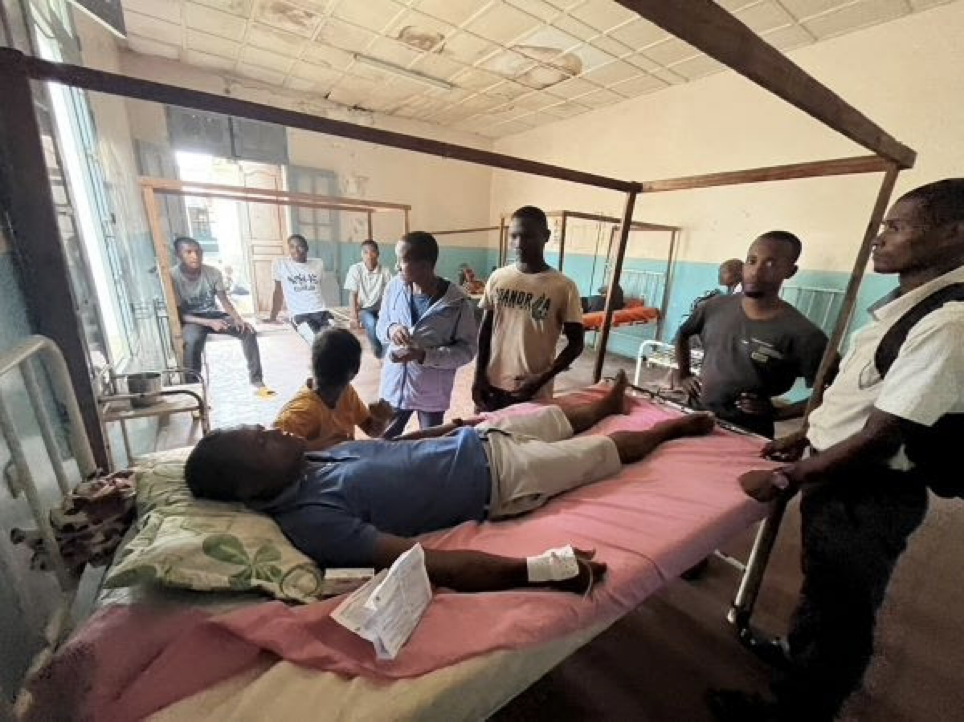
A group of students quickly brought him to the guest apartment I’d been using as a clinic, just below our home. Ten minutes later, I was in the car with him — Ellianos — and several students, heading to the Government Hospital. The streets were quiet because of the approaching storm, but the water near our compound was already up to the bonnet of the LandCruiser.
It felt surreal: we’d spent the week preparing to be house-bound, and here I was driving straight into the cyclone.
Ellianos, in his late 40s, is in his third year of college. I’ve come to know him better since. He’s a gentle leader — patient, eager to learn, and passionate about serving God. But that day, lying in the back seat, his face showed deep anxiety. He clutched his chest, struggling to breathe.
I worried that if his condition worsened, I’d be the only one able to do CPR.
When we arrived, our student entourage lifted him onto a gurney. I expected an ECG, aspirin, oxygen — at least basic intervention. But there was no power. No ECG. No vitals. And worst of all: no treatment without a paper notebook.
One of the students ran outside and bought a notebook so the hospital staff could begin documentation. Only then were we handed a list of supplies we had to purchase before care could begin — cannulas, fluids, and other basic items. Not a single cardiac medication.
I took the list to the hospital pharmacy and joined a queue of ten people. Time was slipping away. I sent my nurse assistant and a student to nearby pharmacies looking for aspirin and glyceryl trinitrate.
After an hour and four pharmacies — praise God, they were open — we had at least the minimum medications needed. Adam, back at the College, had arranged for our personal supply of GTN to be brought in too.
More students had arrived. Another car, a few motorbikes. As wind shattered windows in the hospital, Ellianos finally received the medication — and began to improve.
Only then was he seen by a hospital doctor — a medical student, the only staff on duty. He informed us that blood tests wouldn’t be available for at least three days. If power returned, maybe an ECG tomorrow.
It didn’t feel right to leave him, but the hospital was suggesting he be discharged. I negotiated to take him to the private hospital — not perfect, but at least they could do an ECG. For the ‘expensive’ price of 30,000 Ariary (around $10 AUD), we got some reassurance.
That was three weeks ago. Today, Ellianos is stable, sleeping at the College in a makeshift ward, continuing daily check-ups (now weekly) and ongoing medication.
We thank God for His protection and for every person who helped that day.
“Navigating the medical system here is complex. We’re still learning how to serve well in this context — not by Australian standards, but with humility, partnership, and respect.”
Stepahie’s Recovery
“If you weren’t here our daughter would no longer be with us…”
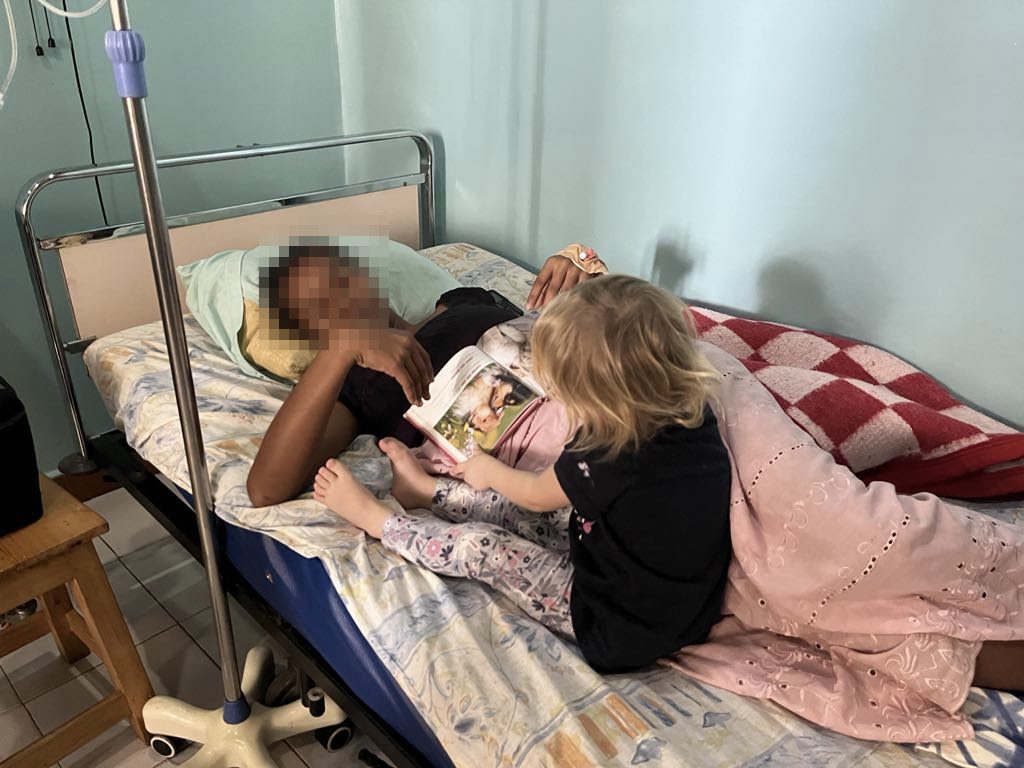
That was Stephanie’s father, speaking during a small meal her family hosted to mark her recovery. In mid-May, Stephanie underwent emergency surgery at a private hospital in town. Her condition had worsened over several days and was not initially recognised at another clinic, which made the situation more serious than it needed to be.
That night, Avril drove through town at 1am to collect the surgical team—an intense and unusual task made necessary by the urgency of the moment. There were many small but significant moments of provision that night: advice shared by fellow missionaries, timely medical guidance, and the practical support of the local community. Some might call them coincidences, but for us, they felt like answers to prayer and signs of God’s care.
The operation was successful, and Stephanie began recovering immediately. Even our young daughter, who rarely sleeps through the night, slept peacefully until Avril returned home at 3am—a small grace that made a big difference.
Stephanie’s mother moved in to care for her, and her father, a long-distance truck driver, timed a visit so the whole family could come together to celebrate. We joined them for a thanksgiving meal in Stephanie’s modest home, crowded with relatives, neighbours, and friends. As is custom in Madagascar, several guests gave short speeches, each filled with heartfelt gratitude. The room was full of emotion.
Stephanie has become a vital part of the medical work here. Though not a student at the College, she trained in nursing in Toliara and lives on-site. Her support enables Avril to respond to medical needs without becoming overwhelmed, and she also helps with language and cultural understanding. This experience has only deepened the trust and teamwork between them.
It’s clear that her recovery was shaped not only by clinical care, but also by the strength of her community and the support of many who prayed. We’re thankful for her improved health—and for the shared journey that this story represents.